






















Pressure is rising on you to choose the right marketing agency, and the stakes are visible. Because of that, a weak call slows growth, invites internal pushback, and puts your credibility on the line.
So, the marketing RFP process becomes important, and it turns into a public test of judgment and risk control.
Yet results rarely hinge on the document itself.
They depend on how decisions are framed, trade-offs handled, and agency behavior shows up.
In this guide, we'll focus on those moments and how teams use a request for proposal to surface thinking quality. Here, you will see risks and compare signals that usually stay hidden until after a contract is signed.
You can also find plenty of free templates and checklists that can streamline your process.
But first, let’s get clear on what role an RFP actually plays in shaping those outcomes.
Marketing RFP is the structure you use to create clarity, fairness, and real comparison before commitment. It reduces risk by aligning teams on intent, limits, and evaluation criteria, so decisions hold up under scrutiny.
Because creative judgment stays subjective, the process shifts focus from price decks to how an agency partner frames problems, flags constraints, and plans delivery.
And in practice, structured processes work. According to Loopio’s RFP Response Trends and Benchmarks Report, teams win about 45% of their RFPs on average. This shows why discipline here matters.
You can check out this short YouTube video to learn more:
This leads us to our next point.
An RFP helps only when it fits the decision you are trying to make. When used at the right moment, it brings structure and alignment. But when you use it out of place, it drains time and clouds judgment.
Here are the situations where we’ve seen it earn its weight and where it does not.
An RFP works when the decision is visible and hard to reverse. As a result, high-stakes agency selection forces trade-offs that need to be shared and written down.
For the same reason, a large or detailed scope of work also benefits, especially when multiple teams must agree before execution starts.
And when business goals are clear but the solution path is not, the process helps you compare how partners think, rather than just what they promise. In those cases, we found that structure protects you as the decision owner.
The process breaks down when speed matters more than comparison. If the goal is a price check, an RFQ does the job without ceremony. But if goals are still forming, we advise you to write a brief first and save rework later.
When a budget range or approval is missing, formal steps only expose gaps you cannot fix midstream. In fact, Responsive reports that proposal teams already spend a heavy time on the process, with 62% working more than 40 hours a week and 14% pushing past 50. This shows how costly misused RFPs become.
Pro tip: If the RFP feels heavy or slow, it usually points to gaps in the agency pitch process. Reviewing that step can help teams spot issues before time and effort are wasted.
With that context set, let’s move on and clarify how RFI, RFQ, and RFP differ in practice.
The choice between these tools shapes speed, effort, and signal. To keep decisions clean, it helps to separate intent before process.
Here are the differences that matter when pressure is high, and scrutiny follows:
When used well, an agency RFP sharpens vendor selection by forcing trade-offs into the open. But we know first-hand that the wrong tool adds drag.
In practice, we’ve seen plenty of teams already spending a heavy time on the proposal process, with many logging full workweeks just managing steps and reviews. This raises the cost of misalignment. So matching the tool to the decision saves cycles and protects judgment.
Next, let’s move on and lay out the steps that make the process work.
At this point, structure matters more than ceremony. A clear sequence helps you reduce rework, protect the decision maker, and keep choices defensible under scrutiny.
Here are the steps we typically recommend (and use ourselves) to shape outcomes across the entire process.
Most RFPs fail before agencies ever respond.
We found that the main issue is not talent or pricing, but misalignment around the actual business challenge. When teams skip this step, the project scope drifts, success gets debated after launch, and internal reviews turn political.
So:
Without that decision, proposals look polished but solve different problems. And this gap shows up later. According to the State of the RFP Report, 37% of RFP proposal scores lack internal consensus, which reflects how unclear framing creates disagreement downstream.
Pro tip: At Fieldtrip, we usually step in before the RFP to run audits or focused research that surfaces the real constraint behind the ask. That work reshapes how teams frame success and strengthens the long-term agency-client relationship by setting expectations early.
For example, our team supported YouTube with early influencer research for Shorts before any campaign was set. That work helped shape the brief, clarify success signals, and set shared expectations from the start.

An RFP breaks down when decisions are made by people who will not live with the outcome. So your team has to reflect reality.
That means involving those who review, approve, or execute the work across marketing, finance, procurement, and technical roles. Alignment here reduces friction later, especially when trade-offs appear around marketing services or delivery risk.
And this is already a common practice. According to Loopio’s report, the average RFP involves about 9 contributors, typically ranging between 6 and 15. This shows how many voices typically shape the call.
Pro tip: We found the real risk to be not team size, but unclear ownership. This is because without a clear decision path, reviews stall and accountability blurs.
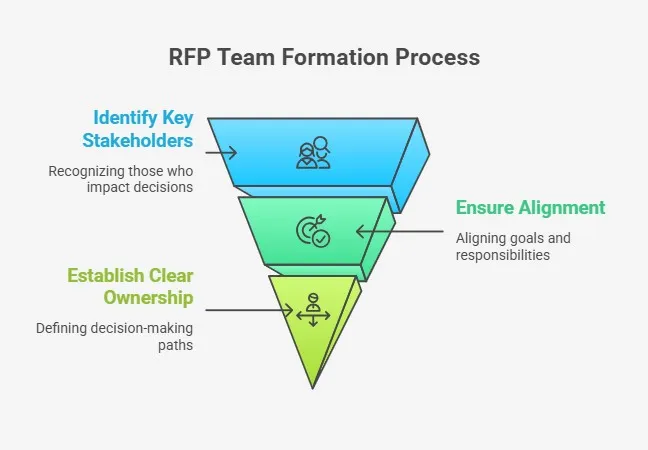
Diagram showing RFP team formation steps from stakeholders to ownership.
A timeline signals seriousness. It shows how much thinking is expected and how decisions will be made.
So, clear dates for release, Q&A, submission, review, and final selection help agencies plan real work instead of surface-level responses. But rushed schedules push teams toward safe answers and recycled case studies, which weakens comparison.
In practice, we’ve seen most RFPs run 4-8 weeks end-to-end.
We’ve also seen faster cycles happening only when alignment is handled early and tools such as proposal software support review. So pacing matters because a realistic window:
Clarity here sets the ceiling for everything that follows. Required work should be:
That means spelling out what sits inside and outside the statement of work, which channels matter, and what outputs signal progress.
At the same time, success needs shared language.
KPIs tied to content strategy or ad campaigns can give your team something concrete to align around.
Just as important for you is to separate must-haves from nice-to-haves, so you can prevent scope drift during review. Without that line, proposals solve different problems, and internal debates surface too late to correct course.
Budget clarity shapes proposal quality more than any creative brief. When expectations are visible, a digital agency can size effort, staffing, and trade-offs with intent. Without that signal, responses skew defensive or inflated.
And the data from Euna Solutions shows that across 6,600 RFP decisions, the cheapest option wins only about 10% of the time. Meanwhile, the most expensive wins less than 2.9%, which shows price alone rarely drives outcomes.
So sharing a range reduces wasted cycles, tightens comparison, and keeps evaluation focused on fit and delivery.
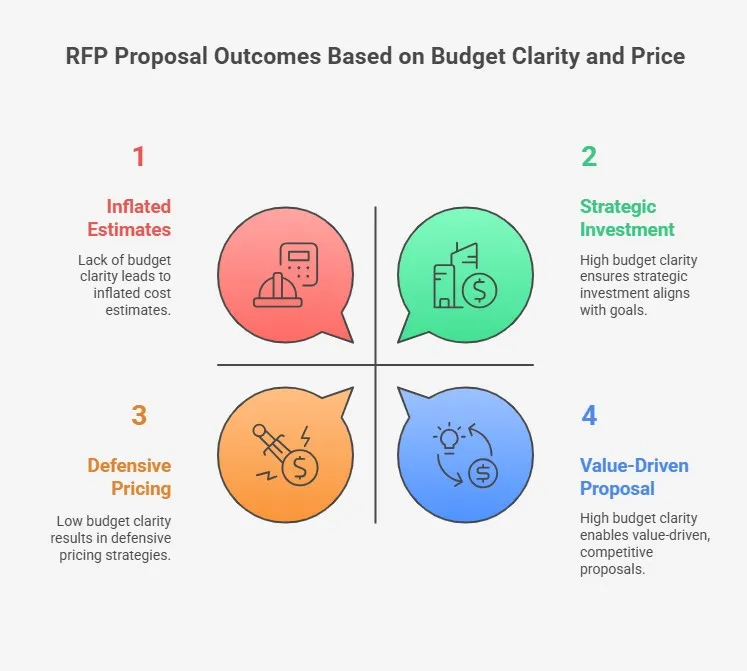
ALT: Chart showing how budget clarity affects RFP pricing outcomes and proposals.
At this stage, clarity beats polish. So the goal is to give agencies enough structure to think clearly and respond with intent.
Here are the elements that keep comparison fair and review cycles tight:
When this structure is missing, teams spend time clarifying basics after release, which slows reviews and compresses the proposal deadline. With clean inputs, responses improve, feedback loops tighten, and tools like a response library actually reduce effort instead of adding friction.
Download our simple RFP template here.
This phase tests intent.
Because of that, clear answers early prevent recycled responses and late rework. At the same time, live calls matter here because they show how teams think under pressure.
And equal access keeps trust intact across creative agencies. When questions are vague or handled unevenly, then comparison breaks down fast.
In fact, research shows RFPs with well-crafted questions are 35% more likely to lead to successful partnerships. This explains why structure at this stage pays off.
So we advise you to ask real questions, answer them at once, and keep the field level so the best thinking drives the decision.
Scoring breaks down when presentation style outweighs delivery reality. A shared framework keeps attention on substance by forcing like-for-like comparison across creative agencies.
So:
Pro tip: We advise you to judge strategy quality and creative style separately, or strong visuals end up masking weak plans.
At the same time, speed pressure complicates this step.
According to Responsive’s 2025 State of SRM Report, more than 75% of buyers now expect faster, more personalized responses while pulling in more stakeholders (even if their budgets are more limited). This raises the risk of shallow evaluation if the structure slips.
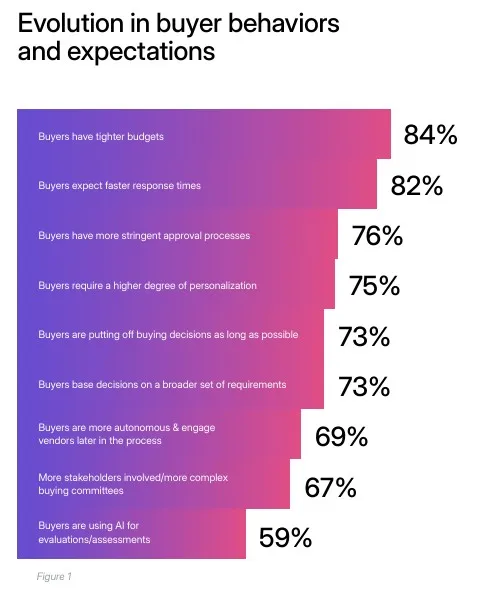
This is where Fieldtrip’s approach helps.
We show how strategy flows into execution across creative, media, and measurement, which makes feasibility easier to assess early. That clarity shifts scoring away from taste and toward delivery confidence, and that supports a durable relationship win and a healthier agency culture.
This is where confidence matters A LOT.
We advise you to focus shortlisted reviews on delivery reality, rather than who performed best in a formal presentation.
Remember: Best-and-final rounds work only when trade-offs are explicit and comparable. So, during negotiation you want to lock roles, ownership, and delivery models early, before assumptions harden into friction.
And this is not just about price. Clear contract negotiation terms protect timelines, decision rights, and escalation paths once pressure builds.
When this step stays vague, we’ve seen problems shift downstream and become harder to correct. A clean close sets expectations on both sides and gives internal teams clarity they can defend later.
Pro tip: For global brands, selection pressure is even higher, which is why the criteria for choosing an advertising agency must hold up across markets and stakeholders.
Onboarding is where many good decisions quietly lose momentum. Governance, communication rhythm, and access need to be set before work begins rather than during the first sprint. Shared tools, reporting paths, and a clear marketing tech stack prevent early missteps and slow starts.
And structure pays off here.
Organizations with a defined onboarding approach cut time-to-productivity by 40-60%, because expectations are aligned upfront.
So this step is operational, rather than administrative. When access to systems like CRM software and workflows is clear, teams move faster, risks surface earlier, and the partnership starts on stable ground instead of reactive fixes.
Withholding the budget slows everything down. Without a range, agencies guess effort, pad risk, or strip ideas back to stay safe. As a result, comparisons blur, and timelines stretch while clarification cycles pile up.
And the work suffers when budget signals are missing.
A clear range lets creative agencies plan staffing, timelines, and trade-offs with intent instead of building in safety margins everywhere. It also keeps proposals grounded in delivery reality across digital marketing or branding/brand development.
More importantly, budget clarity shifts conversations from price defense to fit and feasibility. That makes reviews faster, reduces internal debate, and gives you outcomes that align with real constraints.
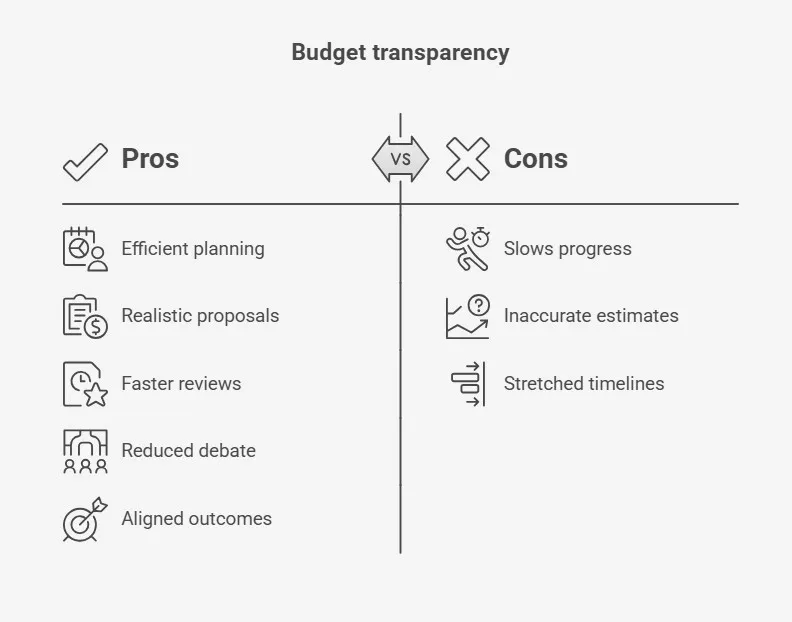
Small choices here create long delays later. When structure slips, review cycles stretch, and good agencies quietly disengage.
These are the mistakes that slow decisions and weaken outcomes:
And trust us: timing makes this worse.
According to a recent industry report, 56% of vendors say tight timelines are a top reason they skip RFPs. This means that rushed schedules shrink your pool before evaluation even starts.
So, avoiding these traps protects momentum, keeps quality high, and makes tools useful instead of cosmetic.
Strong agencies read the brief, but, more importantly, they read the situation. They look for signals that show whether the process will lead to a real partnership or a stalled decision.
In our experience, these are the areas that matter most:
When this information is missing, even capable creative agencies default to safe answers. As a result, differentiation fades and risk shifts to later stages. And this is where structure changes outcomes.
Pro tip: At Fieldtrip, our teams work side by side, which shortens feedback loops and removes handoffs. That setup helps you see clearer roadmaps tied to real campaign history, which makes it easier to identify a true focus win during evaluation.
We leverage this framework below to get a clean way to compare proposals without letting polish outweigh substance. Instead of debating taste, you score how well each partner can deliver in your reality.
Use these five dimensions as a shared lens across reviewers:
Then, apply discipline. For brand or B2B marketing work, weight strategy is higher than visuals. And compare like-for-like across creative agencies, so decisions stay grounded and defensible.
You can even do that here!
Before sending an RFP, it helps to be clear on what teams need and how decisions will be made. A strong structure saves time and avoids confusion later. Here is a simple checklist to guide what to include:
Download: Marketing RFP Checklist
RFPs break down when proposals look strong on paper but fall apart after selection. From our experience, that gap usually comes from fragmented thinking.
Strategy lives in one place, creative in another, and measurement shows up too late to shape real decisions.
At Fieldtrip, we bring those parts together inside one connected system, and that changes how proposals are built and how they get evaluated.
Because strategy, creative, media, and measurement move through the same workflow, our proposals show a clear path from idea to delivery. Roadmaps stay realistic, trade-offs surface early, and timelines reflect how work actually moves once the partnership begins. As a result, reviews focus less on surface polish and more on execution clarity.
This structure also speeds activation after selection. Plans do not need to be rebuilt or re-approved. And that shows up in results.
For example, we helped NielsenIQ reduce CPA by 37% across 19 countries by aligning strategy, media, and measurement from the start.
Similarly, we supported Bluehouse Salmon in achieving a 1900% lift in follower growth after launch.
An RFP works best when it is treated as a decision system. It sets direction, exposes trade-offs, and forces alignment before commitments harden. When the process stays simple, friction drops, and decisions move faster.
At the same time, the right choice is rarely about polish. It comes from fit with goals, communication habits, and real constraints across teams. That is how creative agencies earn trust after selection.
In the end, strong RFPs save time, money, and creative energy by preventing rework later.
And if you want support shaping or stress-testing your next process, reach out to Fieldtrip today through the contact information on our site.