










A franchise campaign can build national brand awareness and still fail to bring customers into individual locations. That's the challenge of franchise marketing: keeping hundreds of locations aligned under one brand while giving each franchisee the support they need to grow locally.
The stakes are significant. The IFA's 2026 Franchising Economic Outlook projected 845,000 franchise establishments across the U.S. in 2026. For franchise brands operating at this scale, choosing the right marketing partner matters.
We've rounded up 12 franchise marketing agencies that help brands connect national campaigns with local growth.
We picked these 12 agencies by checking how each one connects brand-funded campaigns to franchisee-level results. Every agency was reviewed against the same five criteria:
All facts were checked against each agency's own site or a third-party source in October 2026. Results quoted below are self-reported by the agencies unless stated otherwise.
Disclaimer: Fieldtrip, the publisher of this article, is included on this list at #5. We scored it against the same criteria as every other entry, and you should weigh that placement the way you would any other.
| # | Agency | HQ | Built for | Local execution mechanism | Pricing disclosed |
|---|---|---|---|---|---|
| 1 | Hot Dish Advertising | Minneapolis, MN | Franchisors running national and local media together | Hot Dish Local self-serve platform | No |
| 2 | Ignite Visibility | San Diego, CA | Large systems needing search, social and franchise development | Rallio platform, co-op account structures | Yes |
| 3 | Location3 | Denver, CO | Multi-unit brands centralizing local search and media | LOCALACT platform and advisor team | No |
| 4 | Scorpion | Lehi, UT | Home services and lead-driven franchises | RevenueMAX for Franchisees | Contract terms only |
| 5 | Fieldtrip | New York | National campaigns built on creators, creative and paid media | Creator activations tied to store visits | No |
| 6 | Netsertive | Research Triangle, NC | Systems wanting revenue-level attribution | MLX platform | Minimum spend guidance only |
| 7 | Hyperlocology | Huntersville, NC | Ad-fund dollars customized per location | Brand Match co-investment | No |
| 8 | Curious Jane | Lakeland, FL | Emerging brands selling franchises and supporting new units | Pre-approved local store marketing packages | No |
| 9 | Tidehouse | Holly Springs, NC | Franchise PR and development storytelling | Grand opening and local search programs | No |
| 10 | Goodway Group | Remote-first (U.S.) | Programmatic media with co-op reimbursement | Branded franchisee enrollment portals | No |
| 11 | Qiigo | Alpharetta, GA | Centralized listings, reviews and local paid search | Single dashboard with roll-up reporting | No |
| 12 | ChoiceLocal | Westlake, OH | Home care and service franchises | Per-location monthly strategy meetings | Contract terms only |
The agencies below are ordered by how well they run both the national ad fund and franchisee budgets, with the strongest all-round operators first. Each entry covers how the agency works, who it suits, and one franchise result you can check.
Hot Dish, founded in 1999 and based in Minneapolis, builds its whole practice around franchise brands and splits the work into FranFocused, for franchise development, and BrandFocused, for consumer marketing. Its Hot Dish Local platform lets franchisees pick corporate-approved creative, set their own budget and trade area, and see reporting by location, franchisee, or the whole system.
The agency reports a $75 cost per lead across 32,000+ leads in 2024, according to its 2024 recap. Franchisors ranked it #1 among marketing agencies in Entrepreneur's 2025 and 2026 supplier rankings, and it has been an IFA member since 2002.
Ignite Visibility bought Rallio in May 2025, which gave it a local content and social platform built for franchise networks. Its franchise practice runs three tracks: national consumer marketing, local franchisee marketing, and franchise development, with RevIntel attribution tying spend to revenue.
For co-op budgets, corporate sets guardrails and franchisees allocate their own territory spend inside a shared account structure. Backed by Mountaingate Capital, it also bought Outliant and EverConnect in 2025. The San Diego firm ranked #4 in Entrepreneur's 2026 supplier rankings and says it is a Google Premier Partner.
Location3 has run multi-unit digital marketing out of Denver since 1999 and operates its own platform, LOCALACT, which pulls listings, reviews, local SEO, and paid media into one view. A LOCALACT advisor team works directly with franchisees, so corporate doesn't have to coach every owner on their local campaigns.
The agency also runs a Google Local Services Ads program that helps franchisees clear Google verification. It reports booked revenue up 201% year over year across its LSA portfolio in Q3 2025, or 53.6% after adjusting for added ad spend. Franchisors ranked it #8 in Entrepreneur's 2026 supplier rankings.
Scorpion builds its franchise offer on RevenueMAX, an AI platform that handles lead tracking, rankings, and ad optimization, with a separate RevenueMAX for Franchisees product for local owners. Corporate gets centralized lead tracking across the network, and each franchisee gets localized campaigns.
The Utah company has been buying agencies with deep service-trade audiences, adding 1SEO in June 2026 and Coalmarch in October 2026. It is also the only preferred digital marketing partner for ServiceTitan, the field-service software many home services franchisees already run. Scorpion is an IFA Preferred Vendor and ranked #5 in Entrepreneur's 2026 supplier rankings.
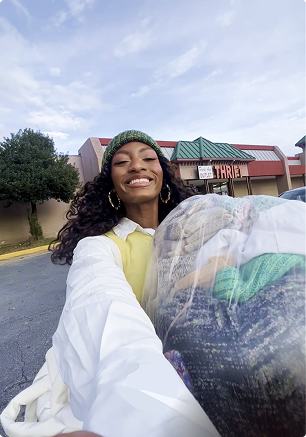
Fieldtrip runs strategy, creative, media, and measurement as one team, a setup that suits franchise brand funds trying to make a national campaign show up in local stores. It led a nationwide in-store influencer activation for 7-Eleven built to drive foot traffic, and ran creator activations around Miniso's collection drops.
Its media team plans paid social, search, programmatic, connected TV, out-of-home, and influencer placements and reviews campaigns weekly. The team has produced campaigns in more than 20 countries, which helps systems expand beyond one market.
Netsertive runs franchise marketing through its own Multi-Location Experience platform, now on version MLX 3.0, and pairs it with a dedicated account team for each brand. The company reports more than $2 billion in local media spend run through the platform over 16 years, according to its homepage.
Its stated sweet spot is B2C brands with 25+ North American locations and strong corporate-level engagement in local marketing. CRM integrations with tools like Zenoti let franchisors trace ad spend to unit-level revenue. Based in North Carolina's Research Triangle, it made Entrepreneur's Top Franchise Suppliers list for the fifth consecutive year in 2026.
Hyperlocology, based in Huntersville, N.C., is a platform with an in-house team of specialists, built to spend ad-fund dollars location by location. Each national campaign is customized per location, and franchisees can add their own money on top. Through Brand Match, corporate can match what a franchisee invests locally, which gives owners a reason to spend.
Channels include Google, Meta, streaming TV, digital out-of-home, and direct mail. Franchisees get their own dashboard and can launch approved campaigns on their own card. The PJ's Coffee program below runs on a mix of ad-fund and local franchisee budgets.
Lakeland, Florida-based Curious Jane trademarked the line "The Ad Agency for Franchise Brands" and has worked with franchisors for more than two decades. Its work leans toward franchise development, using a named Franchise Development Blueprint to fill the sales pipeline, then supports new units through local store marketing.
Corporate pre-approves tiered local packages, franchisees choose one, and each gets a dedicated local media strategist. Curious Jane ranked #13 in Entrepreneur's 2026 supplier rankings, has been an IFA member since 2016, and promoted Gloria Burbano to president in July 2026.
Tidehouse is the new name for Fish 919, which rebranded in October 2025 and combined 919 Marketing, Fish Consulting, NetSearch Digital Marketing, and Ceralytics. Its roots are in franchise PR, and it still pairs earned media with franchise development marketing and local franchise marketing for systems of 5 to 500 units.
Named franchise clients include Sola Salons, Woodhouse Spa, Senior Helpers and Jeremiah's Italian Ice. Clients keep ownership of their data, assets, and ad accounts. Greg Morrell became CEO in February 2026. The Holly Springs, N.C. agency ranked #6 among marketing agencies in Entrepreneur's 2026 supplier rankings.
Goodway Group is a family-owned media company that has been remote-first since 2006 and calls itself the first certified service partner of The Trade Desk. Its multi-location program reports 1,500 active franchisee and location-owner clients across 10 national brands and 600,000 customized creatives a year.
Franchisees enroll through branded portals, and Goodway manages co-op and brand-fund money, including reimbursements. Dynamic creative adapts ads to local promotions, markets, and audiences. The company now positions itself mainly around retail and CPG commerce media, so franchise is one practice among several.
Qiigo, now part of EverCommerce, built its franchise program around one dashboard that rolls every location up to the brand view and drills back down to a single unit. The brand sets strategy, and Qiigo's team builds brand-approved local programs for listings, reviews, SEO, and local paid search.
A partnership with Listen360 adds customer feedback data to the review side. It says it has specialized in franchise and multi-location marketing since 2002, and the Alpharetta, Ga, company ranked #8 in Entrepreneur's 2025 supplier rankings. Its published case studies skew older, so ask for recent results before signing.
Westlake, Ohio-based ChoiceLocal works with franchisors and individual franchisees, holding monthly strategy meetings per location and reporting at both national and local levels. Franchisees can hire it directly for local SEO, paid media and reputation work, while franchisors buy system-wide programs. Its own AI platform, CLAI, ties those channels to call, chat, and revenue signals.
The agency advertises no long-term contracts. It pledges 10% of profits to the Benjamin Isaac Foundation and lists itself as a Google Ads Premier Partner for 2023 and 2024. Its homepage reports a $15.54 return per $1 spent, a self-reported figure, and published results are anonymized.
Franchise marketing agencies fall into five main types: franchise development agencies, local marketing platforms, local search and reputation specialists, full-service creative and media agencies, and franchise PR firms. Most systems use one or two of them at a time.
Development agencies market the franchise opportunity itself. They generate and qualify prospective franchisee leads, build franchise sales websites, and run the campaigns that end in signed agreements. They suit emerging franchisors focused on adding units.
These combine software with a service team. The brand loads pre-approved campaigns, franchisees pick and fund what runs in their territory, and corporate sees reporting by location. Many add co-op or brand-match budgets so the ad fund can share local costs.
These agencies manage the listings, location pages, reviews, local SEO and paid search that decide whether a unit shows up in the map pack. They suit service franchises where most customers start with a "near me" search.
Full-service agencies plan and produce national brand-fund campaigns across streaming TV, social, creators, and out-of-home, then buy the media. They're the right call when the brand fund needs new creative, a launch, or a repositioning, more than local execution tooling.
PR firms earn press coverage for the brand, its leadership, and its franchise opportunity, and often support grand openings with local media. Their work feeds both franchise sales and consumer awareness.

The best franchise marketing agency for your system can prove results at the location level and make it easy for franchisees to take part.
Check these six factors before you sign.
Ask how a franchisee joins a campaign, picks a budget, and sees results. Self-serve portals, pre-approved packages and brand-match budgets all raise local participation. A process that runs on email and spreadsheets usually lowers it.
Ask for a named franchise client with results broken out by location from the last 18 months. System-wide totals can hide units that are losing money on local spend.
If the ad fund pays for national campaigns, check who produces the creative and how quickly it can be versioned for local offers, grand openings and seasonal promotions.
Find out how the agency keeps local ads on brand: locked templates, approval steps and channel permissions. Our guide on how to localize creative without losing brand codes covers what to lock and what to let franchisees change.
The stronger agencies connect ad platforms to point-of-sale or CRM data so results show up as booked revenue per location. Ask whether the agency reports cost per lead or revenue per location, and how its measurement separates national and local impact.
Ask whether fees are charged per location or per enrolled franchisee, what the minimum term is, and whether media spend sits inside or outside the quoted fee.

Published retainers for franchise marketing agencies run $2,000 to $10,000+ per month, and some platform-led programs target brands with 25+ locations investing at least $100,000 a year in marketing. Those fees sit alongside the system marketing fund itself, which usually collects 1 to 3% of gross sales from each franchisee.
Contract terms vary. Some agencies sign 12-month terms for marketing technology and SEO and run ad management month to month, while others advertise no long-term contracts at all. Most don't publish rates, so expect a custom quote based on location count, channels, and how much of the local program the agency manages.
The right franchise marketing agency depends on which budget is underperforming. If franchisees aren't spending their local requirement, a platform with pre-approved campaigns and brand-match budgets fixes adoption. If local search and reviews are uneven, a local search specialist is the faster win. If the brand fund buys media that nobody remembers, the gap is creative.
That last gap is where Fieldtrip works. Our strategy, creative, media, and measurement teams plan brand-fund campaigns together, then use creators and in-store activations to turn national awareness into visits at individual locations.
Contact Fieldtrip to talk through your brand fund, your franchisee programs, and where local growth is stalling.
Local store marketing (LSM) refers to marketing activities designed to attract customers to an individual franchise location. It includes local SEO, paid social media campaigns, community events, grand openings, and in-store promotions. Franchisees typically fund these activities through their local marketing budgets while following the franchisor's brand guidelines.
A franchise marketing agency plans for two customers: the franchisor's brand fund and each franchisee's local budget. This usually means franchisee portals, pre-approved local creative, co-op budget handling, and reporting by location. A general agency can run strong national campaigns but may not have the tooling to manage hundreds of local accounts.
Franchise marketing works best when corporate and franchisees share responsibilities. Corporate typically manages brand guidelines, national advertising campaigns, and shared marketing funds to maintain consistency across locations.
Franchisees focus on local marketing, including community promotions, location-specific advertising, and customer acquisition. The right balance depends on the franchise agreement, available resources, and how much flexibility individual locations need.
Co-op advertising allows franchisees in the same market to pool their marketing budgets for shared campaigns. These funds may support regional advertising, local promotions, or media placements that individual locations couldn't afford independently. Depending on the franchise system, the franchisor may contribute additional funding, while participating franchisees share campaign costs and performance results.