
Brands can book recognizable athletes and creators and still end up with surprisingly little usable content.
The difference usually comes down to casting: who gets selected, how the group works together, and what the production is designed to capture.
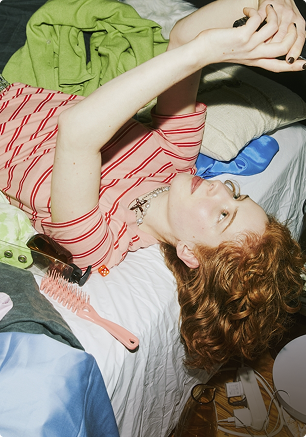
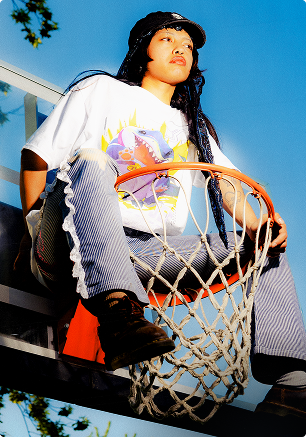
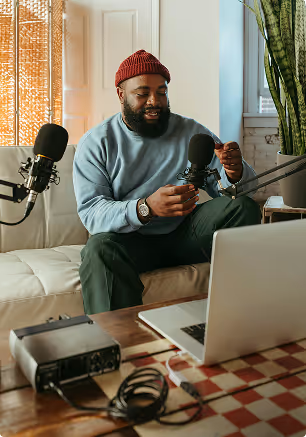
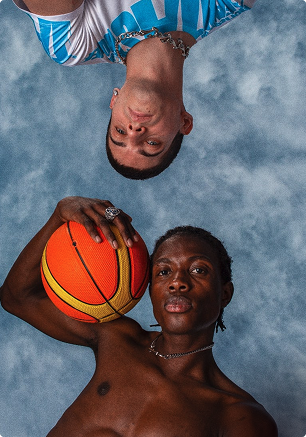
For New Balance, we cast athletes as part of one coordinated program that ultimately produced several assets. Instead of treating each athlete as a separate placement, the campaign used the cast to create a broader bank of content with different personalities, stories, and creative angles.
This is where smart casting starts to pay off. The right mix of talent can give a campaign more range without turning every partnership into its own production.
Here’s what the New Balance program got right about casting athletes and creators, and what other brands can take from it.
P.S. Have the campaign idea but not the cast? Fieldtrip’s creative team can take it from talent selection through production and rollout.
We treat creators as a creative engine, a steady supply of believable, testable ads, and we let media buying handle scale. Athletes fit that model better than almost anyone, because their credibility comes prebuilt. As platform targeting narrows, the person on screen now does much of the audience selection that targeting settings used to do.
Cast a runner, and runners stop scrolling. Cast seven different athletes, and you've built seven ways into the market inside the creative itself. Then you launch, read what worked, and brief the next round from the results. That's the lens behind how we work, and it shaped every call on the New Balance shoot.
Athlete influencer marketing is paying athletes to create content for a brand on their own social media channels. The brand usually also licenses that content for its own ads. It's one of three models brands use with sports talent, and most confusion comes from blurring them.
Product seeding and influencer seeding sit at the light end of all three: you send gear and hope it gets posted.
Our New Balance cast sat in the middle row: athletes chosen for their standing in their own communities, contracted for a shoot and a set of reusable assets.
Athletes earn about twice the engagement of standard influencers on sponsored posts.
Across more than 36,000 branded Instagram posts, Opendorse found athletes averaged a 3.9% engagement rate, against 1.8% for influencers, 1.2% for teams, 1.0% for sports leagues and 0.7% for media accounts. The data is from 2019, and newer studies point the same way:
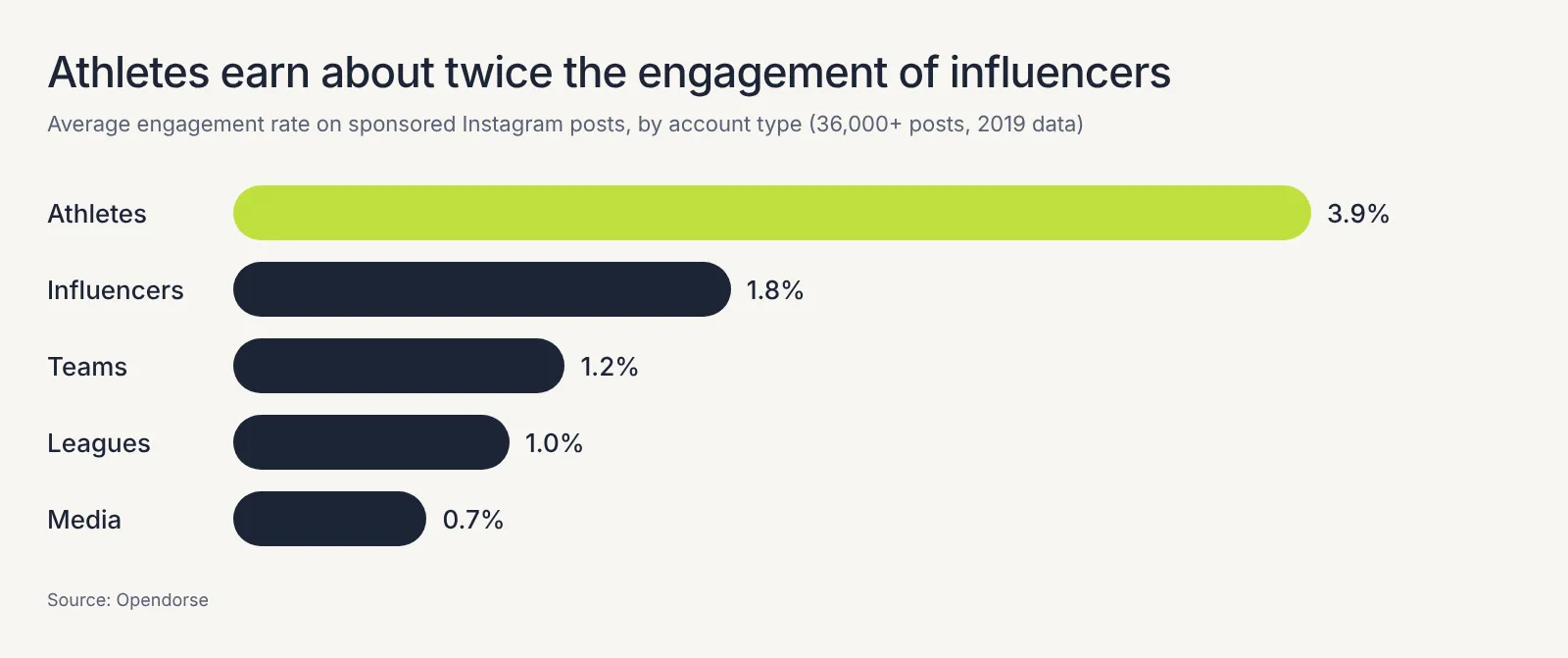
Athletes earn about twice the engagement of influencers on sponsored posts. Source: Opendorse
Engagement rates are a proxy, though. The bigger asset is brand trust. In Nielsen's 2021 global Trust in Advertising study, 81% of consumers trusted brand sponsorship at sporting events, against 23% for ads from influencers. Fans read an athlete as someone who uses the gear for real, and that authentic connection is what carries over into the ad.
Put athlete content where trust does the selling: product proof, performance claims and launch moments. A runner explaining why a shoe holds up at mile 20 is more believable than any spec sheet, and that fan connection is hard to fake with a lifestyle creator.
If you're building a wider creator program, our guide to scaling influencer marketing across a large organization covers the scoring side.
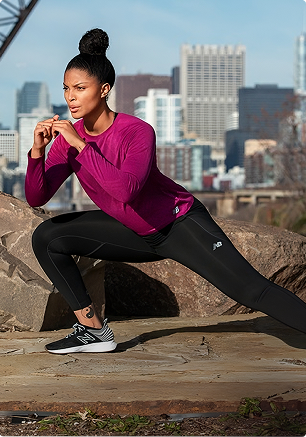
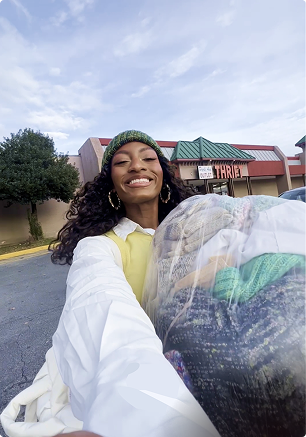
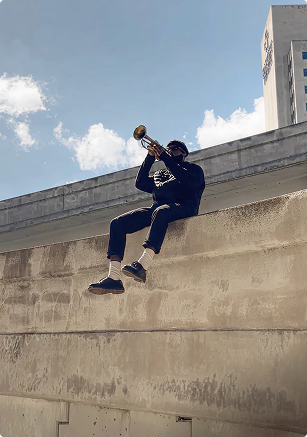
New Balance needed athlete creators across California to promote new in-store products through video and photo content. Our team at Fieldtrip handled discovery and casting for seven creators who matched the brand and the campaign brief.
The program produced more than 100 assets centered on local New Balance stores.
The brief New Balance brought to Fieldtrip
New Balance wanted active influencers in multiple cities to create content around new in-store products. The campaign needed creators who could represent the brand naturally while keeping the focus on local retail locations.
Who we cast for New Balance
We discovered and cast seven athlete creators with established communities. The selection focused on brand fit and suitability for the local-store concept.
What the campaign produced
The program resulted in more than 100 video and photo assets featuring the seven creators across New Balance stores in California.
You can see the project on our work page.

Cast for credibility inside a specific community and use follower count as a tiebreaker. Paid distribution can add reach to a credible athlete, but nothing adds credibility to a big account that doesn't have it.
Marketers already lean this way. Harvard Business Review research on how marketers choose college athlete influencers found image and post quality outweigh follower count.
And in IAB's 2025 survey, 58% of ad buyers ranked creator reputation and 56% ranked audience alignment among their top selection criteria.
Athlete selection gets sharper when you break it into the six checks below and score athlete profiles against each one.
Start with the relationship between the athlete and the product. Their sport, training habits and existing content should make the partnership feel plausible.
Review previous posts to see how consistently their athletic identity comes through and how naturally products appear within that content. An athlete whose feed already revolves around running, for example, brings a different level of context to a running-shoe campaign than someone with little connection to the sport.
For New Balance, we checked each athlete’s credibility in their sport as part of the casting process, so the creators had an authentic connection to the athletic communities they represented.
Audience size matters less if most followers sit outside the people or markets the campaign needs to reach.
Ask for platform audience data such as age, location and gender where relevant. Then look beyond topline engagement rates. Review how followers respond to the athlete's sport, training and product-related content in particular.
The comments can be useful here too. They show whether followers actively discuss the athlete's sport and recommendations or simply consume the content passively.
Confirm the athlete can deliver what the shoot needs: a few lines to camera, natural movement for b-roll, and a strong opening for short-form video. Review past content to see how comfortable they are on camera and how well their style fits the planned creative.
Hooks matter here too. Our breakdown of video hooks that hold attention shows what to look for in short-form creative.
For New Balance, we screened the athletes’ on-camera ability before production to make sure the cast could deliver the video and photo content the campaign required.
Map each athlete to one audience persona and one set of hooks before you finalize the cast. A diverse roster across sport, gender, age, body type and region means every asset speaks to a different buyer.
The audience shift backs this up. Women's sports reached 46 billion minutes viewed in 2025, up 71% since 2022, and 60% of women's sports fans have switched brands over a company's values, which makes social causes and brand loyalty part of the casting conversation.
For New Balance, we cast both male and female athletes, which gave the campaign a broader mix of athletic voices and perspectives.
Screen every athlete for conflicts before the shortlist goes to the client:
Contract clauses that protect you after signing sit in the rights section below.
Reach should carry more weight when broad awareness is central to the brief. For campaigns built around local relevance, content production, or specific communities, smaller athlete creators may make more sense.
Start with the campaign goal, then decide how much reach each athlete needs to contribute. Follower count should sit alongside audience fit, content quality, and the role that person plays within the wider cast.
One New Balance shoot became more than 100 content assets because we planned the asset map before the call sheet: seven athletes, each with a modular shot list and format variants for every placement.
Volume matters because performance creative wears out. Meta flags "creative fatigue" when cost per result climbs to twice that of past ads, and TikTok recommends three to five unique creatives per ad group.
Creative also carries more of the outcome than most teams plan for. In NCSolutions' study of about 500 CPG campaigns, creative drove 47% of sales contribution, more than reach or brand.
Here's the campaign execution sequence we ran, step by step:

One shoot, seven athletes, a shared shot list: how the New Balance asset library was built. Source: Fieldtrip original
Negotiate paid usage, whitelisting access and term length before the shoot. Those terms decide whether assets can run as ads or stay stuck on organic, and they're the handoff point to the paid testing our media team runs. Get the contractual language right on these terms:
Disclosure is not optional. The FTC's 2023 update to its Endorsement Guides defines "clear and conspicuous" disclosure and warns that a platform's built-in disclosure tool may not be enough on its own. Keep disclosure logs for every post, and treat visible product placement in an athlete's organic content as an endorsement that needs a label.
This is general information, so run final contracts past your legal team.
Measure at the asset and athlete level in paid media, where every asset gets a cost and a result. Our approach to creative testing for large brands runs on the same principle.
Likes tell you an athlete's audience showed up. Performance data from paid tells you which athlete, hook and format sold the product.
Split these performance metrics by athlete so the next cast is built on evidence. For sales uplift beyond platform numbers, combine paid results with a holdout or a lift study; our guide to running brand lift studies covers the setup.
An athlete marketing agency can help brands find and vet talent, negotiate campaign terms, manage usage rights, produce content, and coordinate the campaign rollout. Some also handle paid media, which keeps casting, creative, and performance decisions within one workflow.
That differs from other types of sports and talent agencies, which may focus more heavily on sponsorships, rights, representation, or events.
Our guide on how to choose an advertising agency covers the wider selection process. For athlete work specifically, ask these questions before you hire an agency for campaign management:
If the answers depend on handing work between three vendors, your marketing team will spend its time coordinating. For a wider shortlist, see our roundup of top influencer marketing agencies for enterprise brands.
Athlete content works best when casting, production, rights, and media are planned together. That planning gave every asset from our New Balance shoot a clear place to run.
We run that work as one team: casting for credibility, a shot list built around the asset map, rights secured before the cameras roll and paid testing that tells you which athletes to book again.
Talk to our team at Fieldtrip, and we'll walk through your roster strategy, a draft asset map, and the rights plan you'd need for your next athlete shoot.
Athlete pricing should reflect the work required and how the brand plans to use the content. Separate the production fee from organic posting, paid usage, exclusivity, and extended licensing where relevant.
Usage often changes the economics significantly, so define the term, territory, platforms, and paid-media rights before the contract is signed. That makes costs easier to compare across athletes and avoids renegotiating rights after production.
Cast enough athletes to cover the personas you want to test, usually five to eight. Fewer than five gives paid testing too little variety to learn from; more than eight stretches a single shoot day.
Run both. Organic posts and social media takeovers build the social proof that paid ads borrow, since people who click a whitelisted ad often check the athlete's profile next. Whitelisting then scales the winning assets to audiences the athlete doesn't reach.
Yes, if the usage term covers each territory. Shoot extra hook openers and text-free versions so local teams can add subtitles and market-specific lines. Our guide to localizing creative covers what to adapt and what to keep.